samedi 12 mai 2012

WHEN IS SUGAR NOT SUGAR...IN INDONESIA


CORN SUGAR, I was told, when presented with an attractive little package, in Bogor, Indonesia. Sugar brings to our mind the waving tall sugar cane fields. Let us try to limit the usage of word Sugar, to the refined white powder ubiquitous at homes and Cafes.
Did you know that this tall grass is native to Nusantara?  The extreme eastern part where it had grown for 6000 years and slowly made its way west through the archipelago to India, arriving there around 600 BCE. 

Ayurvedic physicians of ancient India, Sushruta and Charaka that too much consumption of the juice of the sugar cane along with gluttony can cause a disease called Madhumeha or Sweet Urine. It was the very same disease described 700 years later by a Greek Physician, Arateus the Cappodocian, as Diabetes (like syphon urine pours out of the body)
Indians are credited to have learned how to make sugar out of cane, and noted that this sweet urine disease was more common among the rich, since these crystals were very expensive. Islam carried the sugar further west to the Arabian Peninsula and northern Africa and southern Spain. By 1500, the Europeans had found fertile grounds in the Caribbean to cultivate sugar and thus began Slavery of the Africans to the new continent.
Is the Corn Sugar shown to me in Indonesia recommended? As a sugar substitute? or Sugar?
In general you should never eat anything that substitutes for FOOD… food comes in natural form, like the delicious Sundanese food with its fresh vegetables and Ikan Bakr.

Let us look what the ingredients are in a packet of “Corn Sugar”. Hardly any corn, but Sorbitol, which is an alcohol which can cause damages to the cells of the eyes and nerves; Aspartame, which has been shown to cause increased secretion of Insulin in the body and there is some evidence that it may cause Diabetes or Pre Diabetes if taken regularly. (It is the main ingredient after water in many of the soft drinks and juice drinks), the third ingredient is Corn Syrup. All three are chemicals and recent inventions, so it seems to me sacrilegious for modern Indonesians to be consuming this stuff when their ancestors cultivated sugar cane!
What does Dr Yehuda recommend to his Indonesian friends? Gula Merah is freely available, the darker it is more Molasses it contains, stickier it is, more moisture it contains. Even better is to get Gula Merah cultivated organically or the local Coconut Palm Sugar or the Pinanga Palm Sugar that are extracted from the sap of the tree and just heated to evaporate the moisture. It has light brown colour and a sweet odour to it. On a recent visit to Cambodia, I was able to get some Natural Palm Sugar. Please don't confuse it with the Palm trees that grow in Kalimantan from which Palm Oil is produced, which is not good for your body or the body of the Orang Utan!
I would like Mr J to obtain a copy of the booklet, THE HIDDEN SUGARS OF OUR FOOD, published by that tireless worker for public health, Idris Mohammed of the Consumers Association of Penang. It is a small booklet full of information on hidden “sugars” in our food
Health Benefits of PALM or COCONUT Sugar
Health Benefits: The health benefits of using these unrefined sugars are only beginning to become known. The greatest benenfit so far is their low glycemic index (around 35), which means they don't have the blood-sugar spiking effect ('sugar high') that regular refined sugar causes.  In India, palm sugar (in the rock-sugar jaggery form) is actually used in traditional medicine, since it contains many minerals and has been found to heal throat and lung infections.

jeudi 10 mai 2012

OBESITY AS A SOCIAL ILLNESS


OBESITY AND DIABETES AS SOCIAL ILLNESSES

In 2004, at a conference, I chose to call my presentation: Obesity as a Social Illness. It was not well received, since the oft repeated mantra of that time, and even now, is that Exercise More and Eat Better!
When a disease is so physiological, asked a participant, and we have scientists explaining the biomedical basis of both obesity and diabetes, how can you say it is caused by Society?
Soon after finishing my specialty training in Endocrinology, I became aware of the fact that Health Care cannot be improved ONLY by the participation of Disease Care Providers: Doctors, Nurses and other “providers” all of whom cater for Diseases. A strong social science input is necessary, I thought, and having had no exposure to it in the Medical Schools I had trained, I decided to study Medical Anthropology at the Brunel University of London programme, which to me has been the most useful part of my medical education. It made me analyse what we see not in terms of just the individual but also the culture and society that individual belongs to. I was also lucky to have been working continuously with American Indians and their input into my work has been great.
There were no shortages of people saying that it is a national problem and predicting more and more obesity in the future. (Why not do something about it to stop or admit failure of their efforts to stop?). Just two days ago, they published data to say 42 % of Americans would be obese by 2030, which is not really news but a reiteration of the failure that the Disease Care providers and the society have been barking up the wrong path.

"If you believe this is a massive national problem, you have to deal with it in a systems way," said Dan Glickman, chairman of the panel that wrote the report and a former secretary of the Department of Agriculture under President Bill Clinton. "This problem is incapable of being solved with a magic bullet."
(Part of the Institute of Medicine’s statement, quoted in Wall Street Journal 9th May 2012). Many would say society must change and the disease providers would then go on to blame the individual as if that alone would bring on last lasting benefit.
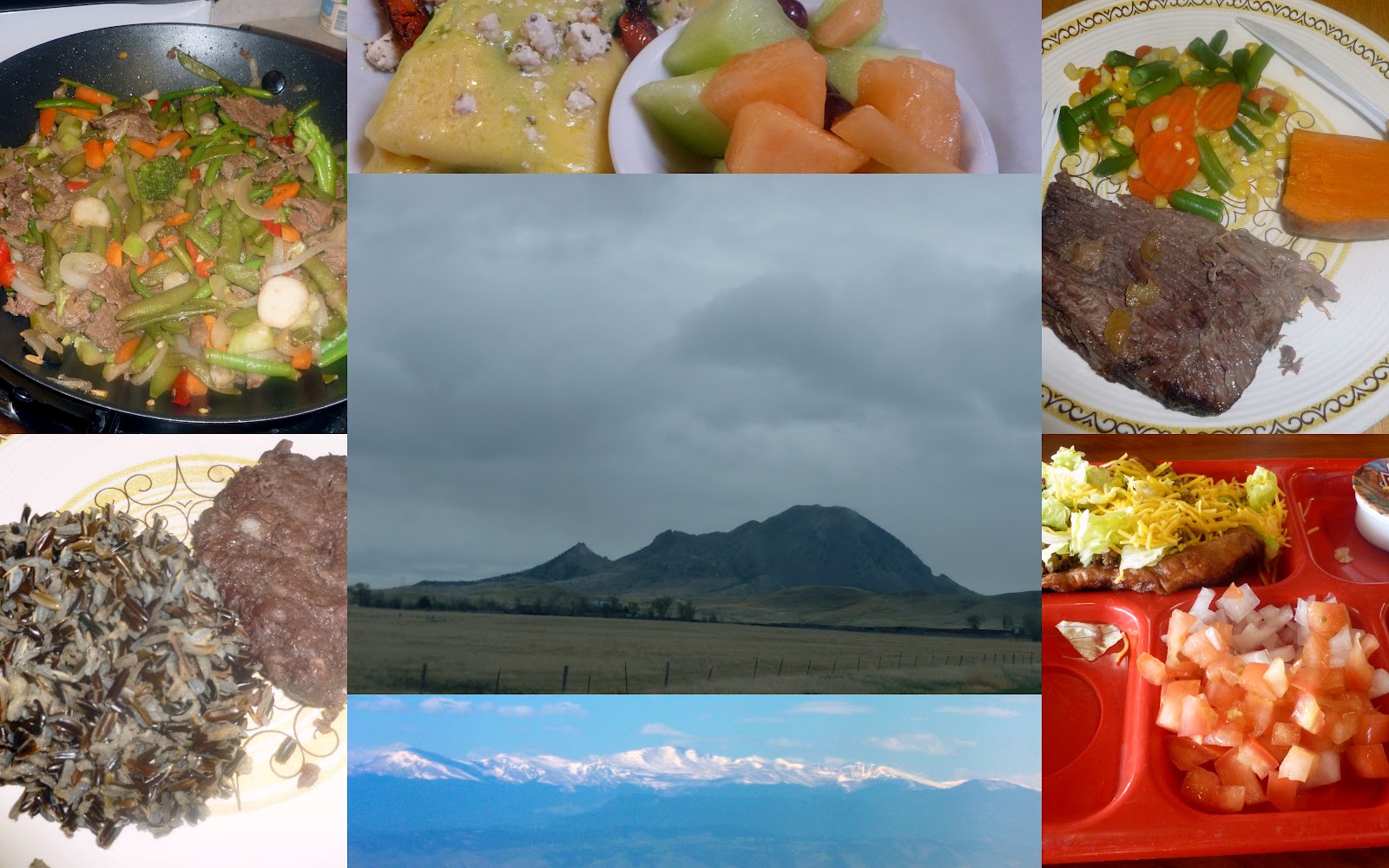
I have just spent one delightful week with the Lakota of Cheyenne River in South Dakota. And if you look at the recommendations by the Institute of Medicine, my Lakota friends are already well on their way to implement most of the recommendations, in fact they had begun it before all these came out.
Photo: Eating well in Eagle Butte, South Dakota in May 2012
"The country has begun to address obesity, but we are still doing far too little, given the tremendous burden it places on our health and health care costs," said Margo Wootan of the Center for Science in the Public Interest.
Two-thirds of U.S. adults and almost a third of children are either overweight or obese, and progress to stop this epidemic has been too slow, the Institute of Medicine concluded.
For schools, it recommended that students get at least 60 minutes of physical activity every day -- a combination of physical education, recess and other activities. Many schools have slashed P.E. and cut into recess in recent years in an effort to increase learning time amid tighter budgets. The report also says schools should serve healthier foods, backing national school nutrition standards, and teach nutrition.
Other recommendations include:
* Restaurants should ensure that at least half of children's meals comply with federal dietary guidelines, without charging more for the healthier options.
* Healthier foods should be routinely available everywhere, from shopping malls to sports arenas.
* More food companies should improve how they market to children -- and if they don't, the government should step in and mandate changes.
* To make physical activity routine, communities should be designed with safe places to walk and exercise.
* Public and private insurers should ensure better access to obesity screening, preventive services and treatments.
* Employers should expand workplace wellness programs.
* The president should appoint a task force to evaluate the effect of U.S. agriculture policies on obesity.
My own feelings are thus:
The US government should look into the subsidies they give to farmers to produce Corn and Soybean both of which eventually in their compounded chemical form end up in the American diet and is partially responsible for the obesity and diabetes in America.
Adopt programmes, which have been successful in poor countries with limited resources, such as MoPoTsyo in Cambodia, where educating Peers from the Community has had tremendous impact on the health. Those Peers are truly Health Care Providers since they don't just concentrate on Blood Sugar, Cholesterol, High Blood Pressure but have in their education and action, how to use the local lifestyle changes to impact on those measurements. It is one of the more successful programmes of Diabetes Treatment I have seen.
The American approach to Diabetes and Obesity has failed, so don't export it to the other countries but try to learn from others. America may lead the world in technological innovations but they have never been in the forefront of social innovations.
Social Innovation  is what we need now…not more medications..

I am thinking of my friends at the Lakota Cheyenne River in South Dakota and the staff of Asia Protein in Bogor Indonesia and with gratitude to my friends at Mo Po Tsyo Education Centre in Phnom Penh, Cambodia.
Peer Educators and the staff of Mo Po Tsyo in Phnom Penh, Cambodia.
Healthy Habits of the Staff of Asia Protein in Bogor, Indonesia

lundi 7 mai 2012

GIFTS OF INDONESIA..THANKS TO MY FRIENDS IN BOGOR


GIFTS OF INDONESIA
ORGANIZED BY MY FRIENDS IN BOGOR

Indonesia gave me a variety of gifts most of which were organized by my friends in Bogor.

FOOD   Sundanese Javanese Indonesian among others. The best meal of the trip was the Sundanese food at the home of Mr J

SIGHTS                Bogor Botanical Gardens. City tour of Bogor and Yogyakarta. Prambanan Hindu Temple 856 CE
Borobudur 778 CE

STAY  Harris Hotel in Sentul City. Novotel at Yogyakarta.

TRAVEL  Pick up and drop off at CGK, 60 km from Bogor. CGK-JOG and JOG-KUL  on Air Asia
Complete days at Yogyakarta with pick up at the airport, sightseeing tour of Yogyakarta, Prambanan Temple, Kraton Sultan’s palace
But most important gift were the people I met

FRIENDS

NESPRESSO WHAT ELSE IN ...

As I entered the offices of my friend in Sentul City in Indonesia, I was happy to see a Nespresso machine nestled among the medals and trophies..
I chose an Indriya from his collection and looked at the tropical greenery as I sipped Nespresso, a taste which has grown upon me in the seven years since 1996 when I was introduced to it..
where else?
At the home of Miss RS in Omaha Nebraska.. a new greeen coloured Nespresso arrived the day I visited her and her mother.. Viola.. so good to drink a good cup of coffee .. in desolate climes..
And in the UmonHon Indian Reservation in Nebraska, where there are no cafes or restos, in the blue house pictured, if you make it here, there is always a Nespresso waiting for you..
A Votre Sante!

THE HUMBLE MAN OF BOGOR


UNEXPECTED PLEASURES OF TRAVEL
THE HUMBLE MAN OF BOGOR

2 May 2012 the flight from Singapore touched down at Spoekarno-Hatta International Airport in Jakarta, clean and orderly, another face of Indonesia. $25 visa on arrival. Within a few minutes, passport is stamped and out to the clean lounge awaiting the luggage. A minute later, a wiry young man, who has a strong sun tanned Latin look, introduces himself. I am here to take you to Mr J. We are off to Bogor and depending upon traffic, we will be there between one and two hours from now.
First of all who is Mr J?
And BOGOR?
 with Mr J on the flight from Omaha to Denver.


 with Mr J at Sentul City, Bogor, Indonesia 


All fans of Palms would recognize this path lined with palms at Bogor
Let us go back to 22 March 2012  (seven weeks prior)
A cold morning in Omaha, the last place you would expect the magic of Bogor to be born.
These are the unexpected pleasures of travel; they happen in places you least expect to happen.
As I entered the waiting room of the non-descript OMA airport, to catch a 0600 flight to Denver on my way on a tortuous route to Asia! (Oma to den to lax to hnl to gum to hkg to kul to pnh!), a fit looking happy faced Asian man smiled at me and I smiled back. Our eyes met and we acknowledged a couple of times and the flight was called and I took my seat, 1 A and who should be in seat 1 B? Our Asian friend!
I thought he was on his way home to California or SF, since he said he was traveling to San Francisco. We began to talk about travel; soon I realized that he knew a lot about international travel (something rare in an American), the nuances of various airlines, ranging from Qatar Airways to Singapore Airways and his various recommendations on specific routes. When the flight landed in Denver a few minutes later, I gave him my card and he promised to write, but when I was aboard my flight to Los Angeles on the same seat, who should be sitting next to me?
Mr W who picked me up at CKG and Mr W who organized all the travel to Bogor,Jogja and Borabudur
That was Mr J, with an impish smile and his usual welcoming face. He is from Jakarta he said, in Indonesia and he comes to USA regularly, as he does to Europe in connection with his business, buying and searching grains and proteins for his business of animal feed distribution in Indonesia. But what spiked my interest in our conversation more than his business was his interest in health of the people and even more importantly was his good set of ethics and behaviour, very reminiscent of Dharma of the Buddhist philosophy, I thought.
Something in his demeanour was very attractive to the soul. I told him I was on my way to Phnom Penh and explained a little bit about Community based Peers and Education regarding health in a resource poor community.
We said good-bye at LAX, he went on to his SFO gate and I went in search of HNL gate.
The flight segments LAX-HNL and HNL-GUM are very long, 5 ½ and 7 ½ hours long, at both HNL and GUM the connections were tight. While waiting for a connecting flight to KUL at HKG airport, I noticed that Mr J had sent me an email wishing me welcome to Asia and hoping that we meet again.
He was always prompt in answering emails, especially considering he was on the road a lot: Barcelona, Phnom Penh, Bali and Kuala Lumpur in the month since we had met! He took time to reply to my emails. A man after my own heart, since I like to answer emails promptly and thus feel connected. On that particular trip, after Phnom Penh, I went on to Paris and after a brief stay, went off to serve the Indians. I had planned to return to Paris on the 30th April, while checking for airfares to return to Paris, a thought occurred to me. If Mr J would like, I would go home via Jakarta even though it is a bit out of the way. I wrote to him and gave him my dates and also expressed a desire to see Borobudur, a place of historic and spiritual interest to me. I told him that I could arrive on the morning of the 2nd at 9 AM into Jakarta and hopefully spend the last two days in Phnom Penh and go back to Paris to arrive on the 9th.
That is how I happened to be at the Soekarno-Hatta International Airport on that morning.
welcome Lunch at Sentul City. Healthy food throughout my stay in Indonesia
You can call me, W, said the Latin looking Indonesian.
Bogor Bogor, I searched my mind. Something so familiar about that name. I thought about Multatali and Pramoedya ananta toer, giants of Indonesian literature of the past. Yes the ancient Hindu city of Pajajaran, then Buddhist, then Muslim and finally Dutch, Buitenzorg and home of the one of the best/largest/most diverse collection of plants and one of the best 10 botanical gardens of the world!
at the entrance to the Bogor Botanical Gardens, Bogor, Jawa, Indonesia.

I became so excited at this possibility! Fairchild in Miami, Kew in London, Marjorelle in Marrakech, and our own Botanical Gardens in La Habana, TanSacha’s garden in Thailand, Butchart in Victoria. And the smaller ones in former British colonies and also the one in Bangalore. All these went through my mind…Melbourne, Versailles.
This was to be one of the many gifts on this first trip to Indonesia!!

featured posts

QATAR AIRWAYS FROM DOHA TO MIAMI. 15 HOUR PLEASANT FLIGHT. QATAR AIRWAYS IS THE BEST

Miami – 12 July 2026, 6:00 a.m. I flew nonstop from Doha, Qatar, to Miami on Qatar Airways. The flight lasted fifteen hours. I have tra...